- Indonesia’s Leading English News Website, Direct Daily from the Island of Bali.


Nyepi in Bali: What Happens When the Island Completely Shuts Down
Nyepi in Bali: What Happens When the Island Completely Shuts Down
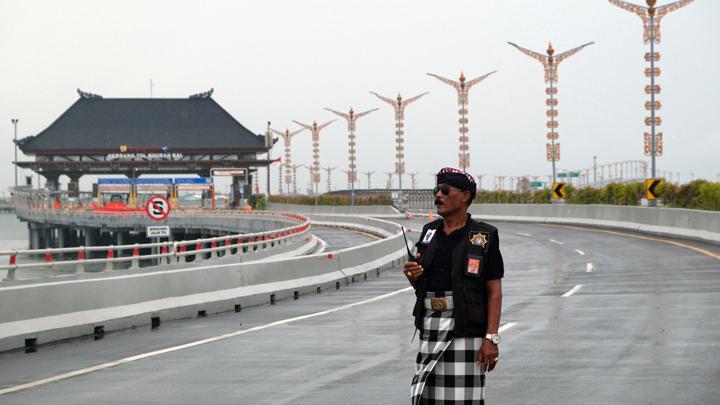
A pecalang enforces restrictions on an empty road during Nyepi, Bali’s Day of Silence.
DENPASAR, Bali — Nyepi in Bali is not a typical holiday—it is a 24-hour shutdown where an entire island comes to a complete standstill. In reality, it is one of the most extreme public shutdowns in the world—where an entire island comes to a complete standstill for 24 hours.
Flights stop. Streets empty. Lights and noise restricted.
Every year, thousands of tourists arrive without fully understanding the restrictions. The result is often confusion, unexpected restrictions, and a disrupted travel experience.
This guide breaks down what Nyepi really means—and how to navigate it without costly mistakes.
Read also : Bali Nyepi 2026: Island to Shut Down for 24 Hours on March 19
What Happens During Nyepi?
Nyepi marks the Balinese Hindu New Year in the Saka calendar and is observed through a full day of silence, known locally as Catur Brata Penyepian (four restrictions).
From 6:00 a.m. to 6:00 a.m. the next day:
- Ngurah Rai International Airport is completely closed
- All roads are empty, with no transportation allowed
- Outdoor activities are prohibited
- Lights must be dimmed or turned off at night
- Internet and broadcasting may be limited in some areas
This is not symbolic—it is strictly enforced. The restrictions are enforced across the entire island.
Common Mistakes Tourists Make
Many visitors underestimate how strict Nyepi actually is. That assumption often leads to immediate problems.
Here are the most common mistakes:
- Leaving the hotel or villa ? you may be stopped by local security (pecalang)
- Using bright lighting at night ? considered disrespectful
- Not preparing food in advance ? restaurants outside are closed
- Relying on internet access ? connectivity can be limited
Nyepi is a religious observance—not a tourist event.
What You Can and Cannot Do
What You Can Do:
- Stay and move within your hotel or villa
- Use internal hotel facilities
- Rest, read, or enjoy the quiet environment
What You Cannot Do:
- Going outside into public areas
- Making excessive noise
- Using strong outdoor lighting
- Disrupting the silence
Traditional security officers, known as pecalang, patrol neighborhoods to ensure compliance.
Survival Tips for 24 Hours of Silence
This is where most travelers get it wrong—or get it right.
1. Choose the right accommodation
Hotels with full services are the safest option. Private villas can feel isolating if you’re unprepared.
2. Stock up on essentials
Do not rely on convenience stores. Many will be closed.
3. Download entertainment beforehand
Movies, music, or offline work—do not depend on internet access.
4. Prepare for a full digital and social pause
Nyepi forces you to disconnect. If you resist it, it feels restrictive. If you accept it, it becomes a rare experience.
Before Nyepi: Cultural Events You Shouldn’t Miss
Melasti (Purification Ritual)
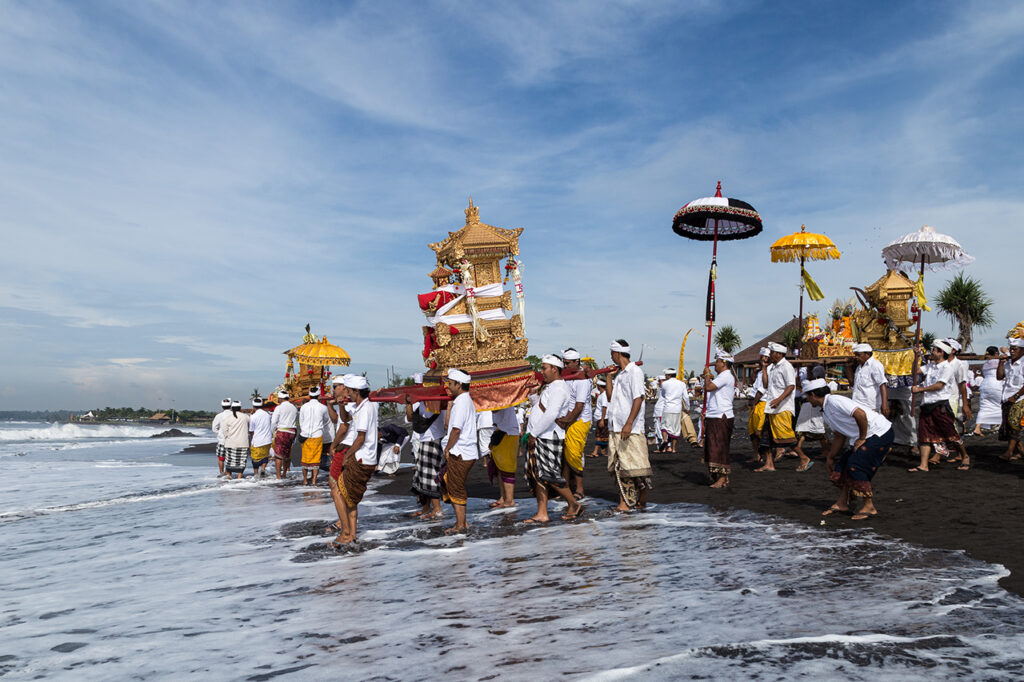
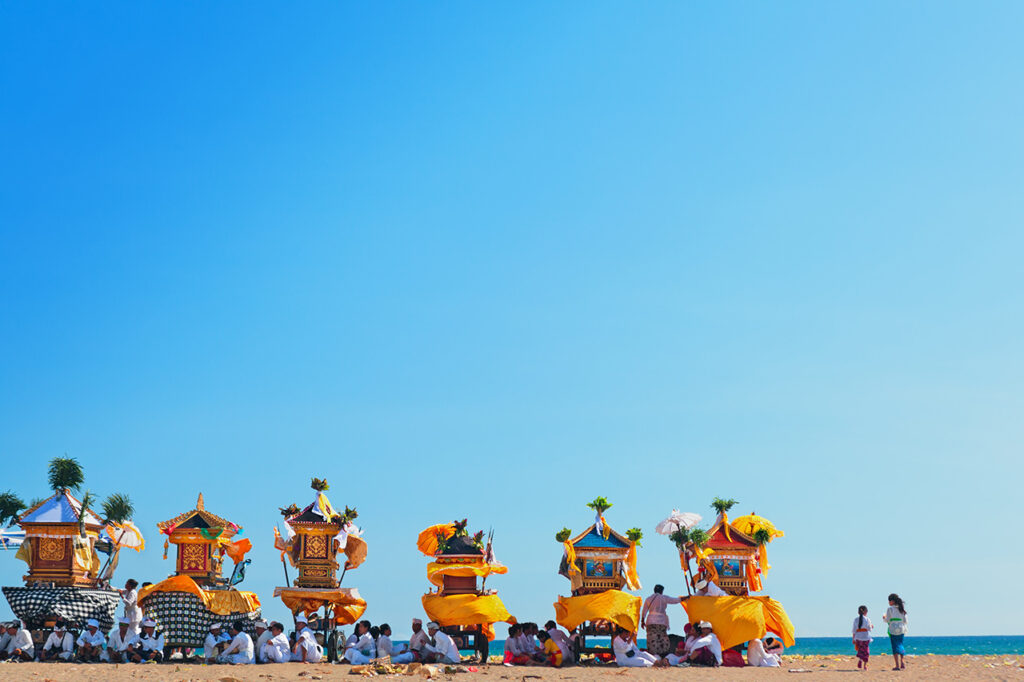
In the days leading up to Nyepi, Balinese communities perform Melasti, a purification ritual where sacred temple objects are carried to the sea or water sources. It symbolizes cleansing both the universe and human life from negative elements.
Ogoh-Ogoh Parade (Eve of Nyepi)
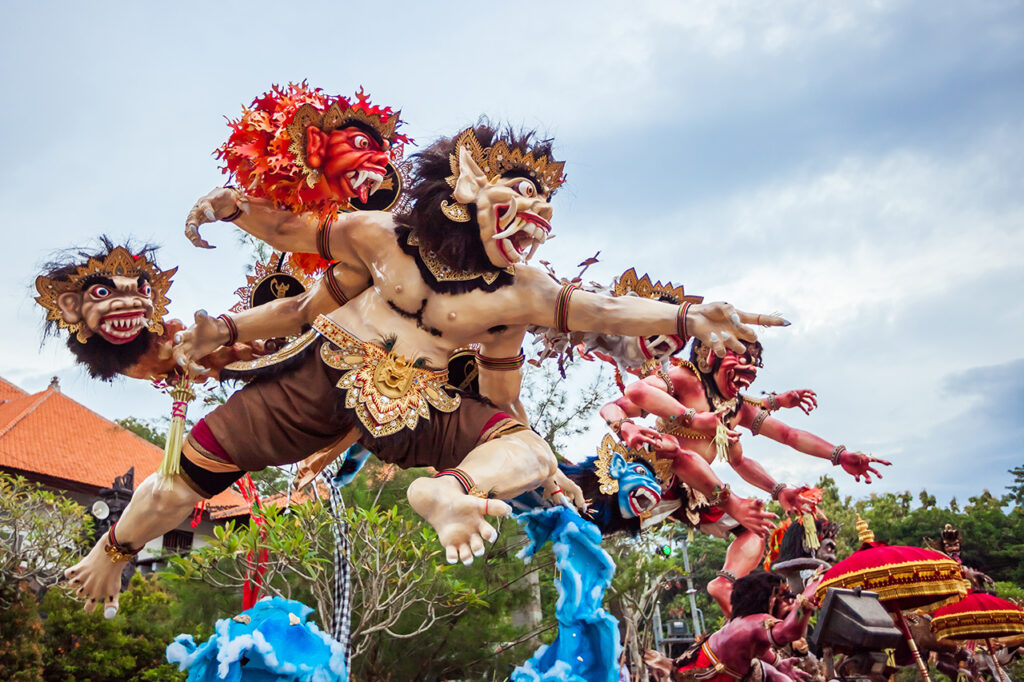
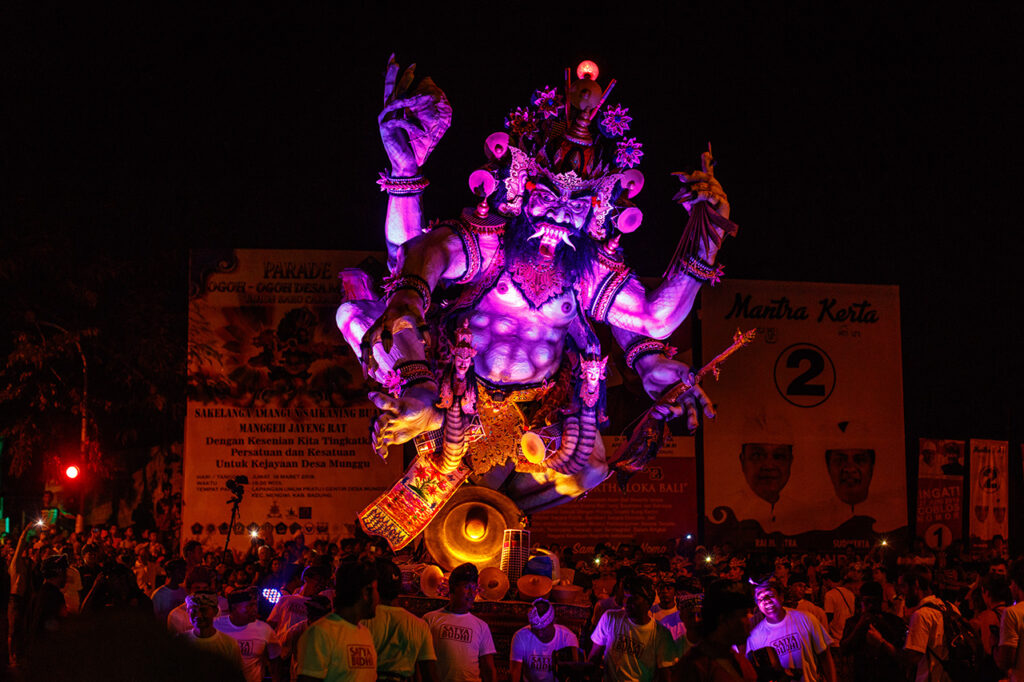
On the night before Nyepi, large demon-like statues called ogoh-ogoh are paraded through villages. These figures represent Bhuta Kala—symbolic forces of chaos—and are often burned as part of a purification ritual.
Why Nyepi Is Unlike Any Other Experience
In a world that never stops, Nyepi is an anomaly.
For one night, Bali becomes completely dark. The sky is clearer, stars are more visible, and the usual noise of modern life disappears.
Some travelers find it restrictive. Others find it unforgettable.
Others describe it as one of the most memorable experiences of their lives.
Conclusion
Nyepi is not just a cultural event—it is a system that temporarily reshapes how an entire island functions.
During Nyepi in Bali, preparation is not optional—it defines your entire experience.