- Indonesia’s Leading English News Website, Direct Daily from the Island of Bali.


Bali Nyepi 2026: Island to Shut Down for 24 Hours on March 19
Bali Nyepi 2026: Island to Shut Down for 24 Hours on March 19
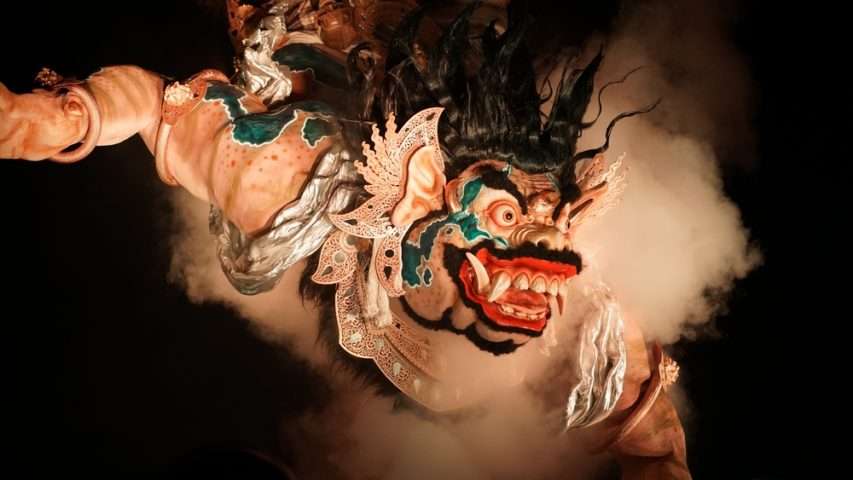
Ogoh-ogoh are giant demon-like effigies paraded through Bali on the eve of Nyepi, symbolizing negative forces that are ritually destroyed before the Balinese Day of Silence.
DENPASAR, Bali — Indonesia’s resort island of Bali will observe Nyepi 2026, the Hindu Day of Silence, with a 24-hour islandwide shutdown on March 19, bringing daily life, transportation, and tourism activity to a complete halt.
The annual religious observance marks the beginning of the Saka New Year in the Balinese Hindu calendar. From 6:00 a.m. on March 19 until 6:00 a.m. on March 20, residents and visitors across the island are expected to remain indoors and refrain from travel, work, and public activity as part of a day dedicated to spiritual reflection and purification.
Nyepi this year coincides with Takbiran, the Islamic tradition of chanting praises ahead of Eid al-Fitr. Local authorities and religious leaders say coordination has been carried out to ensure both religious observances can take place peacefully while maintaining public order on the island.
In the days leading up to Nyepi, Balinese Hindus perform a series of purification rituals known as Melasti. During this ceremony, communities carry sacred temple objects in long processions from village temples to the sea, lakes, or other water sources. The ritual symbolizes the cleansing of both the universe and human life from negative elements before entering the new Saka year.
The evening before Nyepi is marked by the ogoh-ogoh parade, one of Bali’s most visually striking cultural traditions. Villagers, especially youth groups, create large demon-like statues representing Bhuta Kala, symbolic forces of chaos and negativity in Balinese Hindu belief. The giant effigies are paraded through village streets accompanied by music and crowds before being burned or destroyed in a symbolic act of purification.
Once Nyepi begins, strict restrictions apply across the island.
Residents and tourists are expected to remain inside their homes or accommodation. Public activities are suspended, and loud noises, firecrackers, and excessive lighting are prohibited as the island enters a day devoted to silence and meditation.
Transportation across Bali will also stop operating. Ngurah Rai International Airport, roads, and seaports suspend services during the observance, making Nyepi one of the few days each year when the island effectively shuts down.
Broadcasting and internet access may also be limited in some areas in accordance with local regulations aimed at maintaining the quiet atmosphere of the day.
Major ferry crossings connecting Bali with neighboring islands will also temporarily stop operating. The suspension affects the Ketapang–Gilimanuk route linking Bali and East Java as well as the Padang Bai–Lembar route connecting Bali with Lombok in West Nusa Tenggara.
Travelers planning to move between islands are advised to adjust their schedules as ferry services will resume only after the Nyepi observance ends on March 20, 2026.
Nyepi is unique among religious holidays in Indonesia because the restrictions apply not only to Balinese Hindus but to everyone on the island, including tourists. While hotels continue operating internally for guests, outdoor movement is restricted and the island remains largely silent for the entire 24-hour period.