- Indonesia’s Leading English News Website, Direct Daily from the Island of Bali.


New Policy, Same Problem: Bali’s Waste Crisis Gets Worse
New Policy, Same Problem: Bali’s Waste Crisis Gets Worse
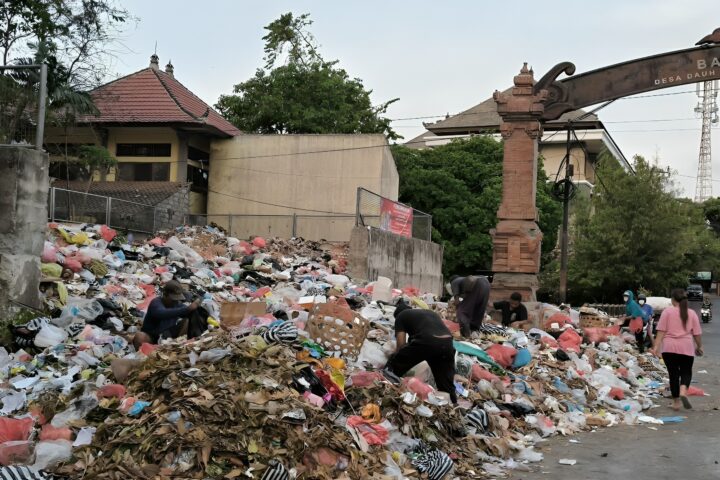
Trash piles up in Bali as the waste crisis worsens.
DENPASAR, Bali — Bali’s latest effort to tackle its long-standing waste crisis is showing early signs of failure, as a new policy restricting landfill intake has led to trash piling up on streets and residents reverting to open burning in several areas.
The policy, implemented on April 1, 2026, limits organic waste entering the Suwung landfill in a bid to reduce pressure on the facility and push waste management closer to the source — including households and local communities.
Officials have pointed to early progress. Bali Governor Wayan Koster said the number of trucks transporting waste to Suwung has dropped by more than 50 percent within the first week of implementation.
But the situation on the ground tells a different story.
Reports of unmanaged waste accumulating in neighborhoods have surfaced, while some residents have resumed burning garbage due to a lack of alternatives — raising concerns about environmental and public health risks.
The challenges highlight a deeper structural issue: Bali’s waste management system has yet to match the scale of its growing problem.
The island generates an estimated 1.6 million tons of waste annually, with nearly 303,000 tons of it plastic. Only around 48 percent is properly managed, leaving tens of thousands of tons of plastic leaking into rivers, beaches, and the ocean.
The issue has already drawn international attention. In late 2024, Bali was included in Fodor’s Travel “No List 2025,” citing overtourism and worsening waste management as key concerns.
Concerns have also been echoed at the national level. President Prabowo Subianto publicly acknowledged complaints from international figures about Bali’s declining cleanliness, warning that environmental degradation could undermine Indonesia’s tourism sector.
“Tourists will not come if they see garbage everywhere,” he said during a national coordination meeting earlier this year.
Environmental experts argue the current policy risks missing its target without proper groundwork.
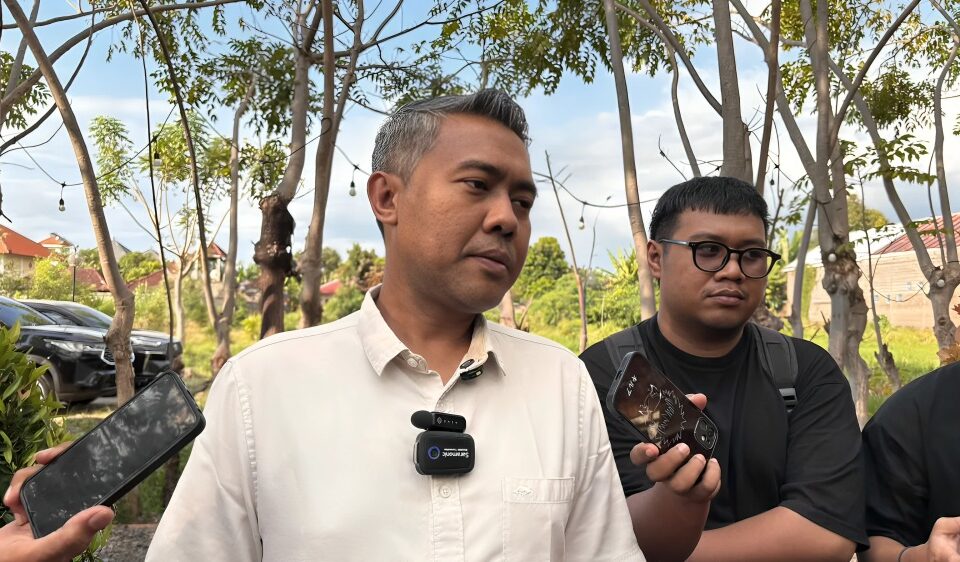
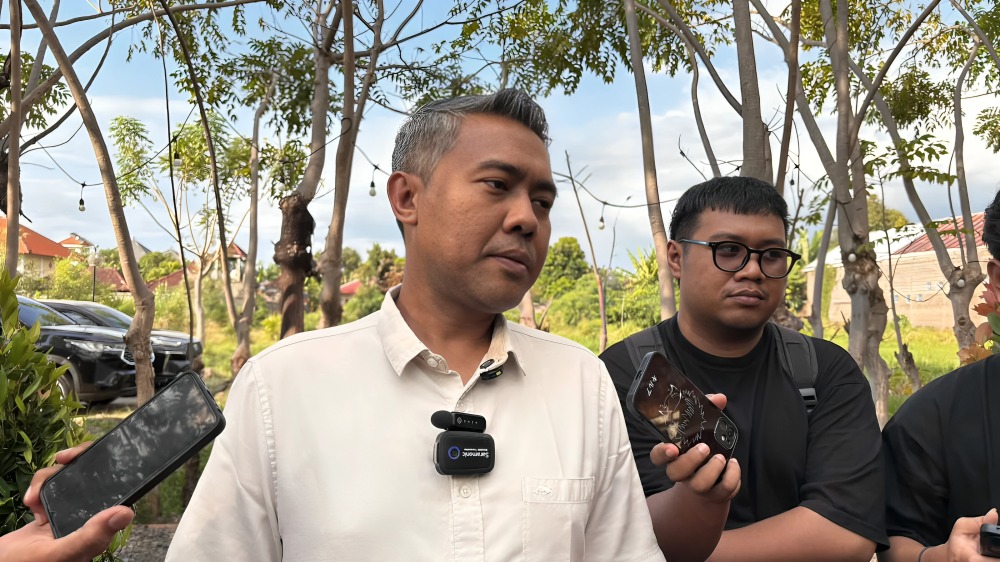
Ayu Pawitri, Executive Director of Get Plastic Indonesia Foundation, said restricting landfill access without adequate infrastructure and preparation could create new problems instead of solving existing ones.
“A policy can only be effective if implementation on the ground runs in parallel with proper systems,” she said.
She emphasized that key elements — including public education, waste processing infrastructure, human resources, and data-driven management systems — should have been established before enforcing such restrictions.
Without those, she warned, Bali risks facing a prolonged environmental crisis.
As a short-term solution, experts suggest expanding facilities for processing inorganic and plastic waste, while involving informal sectors to help manage the growing backlog.
For the long term, they stress the need for a comprehensive waste management system that integrates public awareness, infrastructure, and technology — all working simultaneously, not as an afterthought.