- Indonesia’s Leading English News Website, Direct Daily from the Island of Bali.


Bali Bans Elephant Riding Attractions
Bali Bans Elephant Riding Attractions
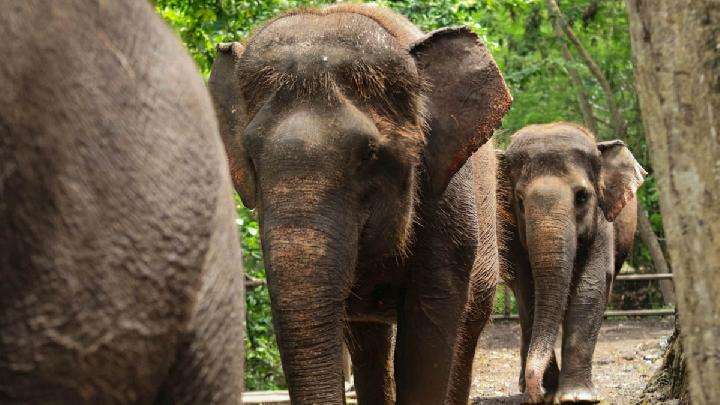
An elephant at Bali Zoo, Singapadu, Sukawati, Gianyar, Bali. Photo courtesy of Bali Zoo
DENPASAR, Bali – Elephant riding attractions at zoos and conservation institutions have been officially banned in Bali, following widespread public criticism from animal welfare advocates on social media. The ban is part of a broader effort to strengthen animal welfare standards in Indonesia.
Head of the Bali Natural Resources Conservation Agency (BKSDA Bali), Ratna Hendratmoko, said the policy refers to Circular Letter No. 6 of 2025 issued by the Directorate General of Natural Resources and Ecosystem Conservation (KSDAE), which orders the termination of elephant riding performances at conservation institutions nationwide.
“BKSDA Bali has conducted outreach to all conservation institutions across the province, and we continue to carry out monitoring,” Ratna said on Thursday, January 15, 2026.
According to BKSDA Bali data, five out of 13 registered conservation institutions in Bali manage elephants, with a total population of 83 animals.
Sanctions for Non-Compliance
Ratna stressed that all conservation institutions managing elephants are required to comply with the circular. The Ministry of Forestry will impose strict sanctions on violators, ranging from written warnings to permit revocation, in accordance with prevailing regulations.
As an initial enforcement step, BKSDA Bali issued a First Warning Letter on January 13, 2026, to PT Wisatareksa Gajah Perdana, the operator of Mason Elephant Park and Lodge.
Conservation institutions are also encouraged to discontinue elephant riding activities and develop more innovative and educational alternatives that prioritize animal welfare. “We are preparing a roadmap for the transformation of elephant-based tourism toward more innovative and educational models,” Ratna said.
Bali Zoo Ends Elephant Riding
One conservation institution, Bali Zoo, has already ceased elephant riding attractions as of January 1, 2026, in line with the KSDAE directive.
“We are committed to strengthening animal welfare and ensuring responsible and sustainable conservation management,” said Emma Chandra, Head of Public Relations at Bali Zoo.
The decision aims to provide elephants with more time and space to express natural behaviors, enhance social interaction, and support care and enrichment programs.
Going forward, Bali Zoo will focus on daily elephant care, conservation education, and visitor experiences centered on learning and awareness of animal welfare.
Emma noted that elephant riding previously accounted for only a small portion of the zoo’s overall visitor experience and was primarily popular among foreign tourists, particularly from the Middle East and parts of Asia.
As an alternative, Bali Zoo continues to offer educational programs such as Elephant Mud Fun, where visitors observe elephants engaging in mud bathing under the supervision of mahouts.
Mud bathing is a natural behavior that helps protect elephants’ skin from sun exposure, maintain moisture, and prevent irritation and insect bites. Through such programs, visitors are encouraged to better understand elephant care, natural behavior, and the importance of animal welfare in conservation management.