- Indonesia’s Leading English News Website, Direct Daily from the Island of Bali.


British Man Faces 10-Year Prison Demand Over Alleged 1.4kg Cocaine Operation in Bali
British Man Faces 10-Year Prison Demand Over Alleged 1.4kg Cocaine Operation in Bali
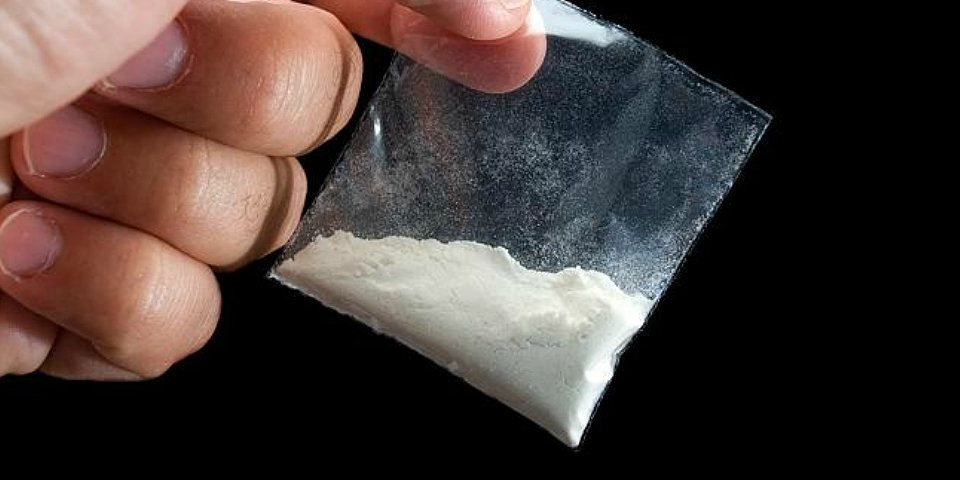
Illustration.
DENPASAR, Bali – Indonesian prosecutors have asked a court in Bali to sentence a British national to 10 years in prison for his alleged role in the distribution of more than 1.4 kilograms of cocaine.
The sentencing demand was presented during a hearing at the Denpasar District Court on Tuesday against Baath Jarnail Singh, 52, who was arrested earlier this year in connection with an alleged international drug trafficking network.
Prosecutors allege that Singh knowingly received and stored cocaine that was later intended to be collected by another person. In addition to the prison term, they are seeking a Rp1 billion (approximately US$61,000) fine. If unpaid, the fine would be replaced by an additional six months in prison.
According to the prosecution, Singh was arrested on February 14 after police received intelligence suggesting that a foreign national was involved in an international cocaine trafficking operation. Officers later searched his accommodation in Legian, Kuta, where they allegedly found five packages containing a total of 1,419.79 grams of cocaine.
Police also seized two digital scales, two mobile phones and other items investigators believe were connected to the storage and handling of the drugs.
Laboratory testing confirmed that the seized substance was cocaine, which is classified as a Category I narcotic under Indonesian law. Prosecutors also told the court that laboratory analysis detected a cocaine metabolite in Singh’s urine.
In court, Singh said he travelled to Bali at the direction of an individual identified only by the initials MIC, who remains wanted by Indonesian authorities.
He told the judges that he had been instructed to receive and store the cocaine until it was collected by another individual identified as Muhammad Ali. In return, Singh said he received Rp10 million to cover his living expenses while keeping the package.
Singh also testified that MIC had sent him HK$2,000 on multiple occasions before his arrest.
The trial will resume next week, when Singh and his legal team are expected to present their defence before the panel of judges delivers its verdict.
Drug trafficking remains one of Indonesia’s most heavily prosecuted offences, with penalties ranging from lengthy prison terms to life imprisonment and, in the most serious cases, the death penalty. The judges are not bound by the prosecution’s sentencing request and will issue their own verdict after hearing the defence.