- Indonesia’s Leading English News Website, Direct Daily from the Island of Bali.


Indonesia Tightens CitizenshipRules for Foreign Applicants
Indonesia Tightens CitizenshipRules for Foreign Applicants
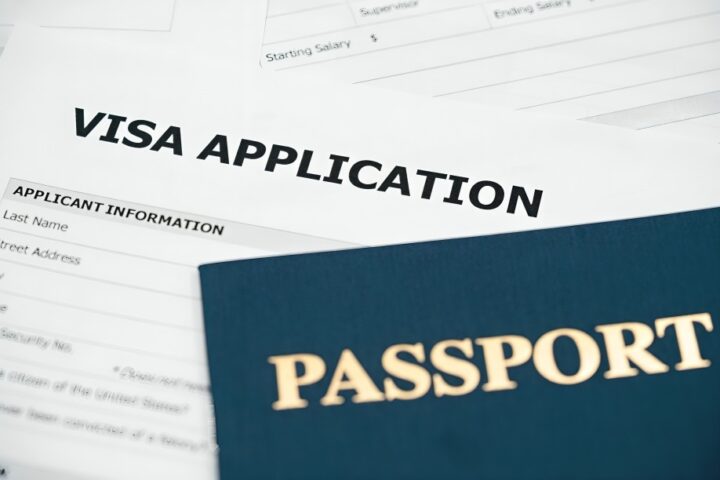
Illustration of visa processing documents.
JAKARTA — Indonesia is introducing tighter requirements for foreign nationals seeking Indonesian citizenship under a new regulation that will take effect in December 2026.
Minister of Law Regulation No. 15 of 2026 consolidates a range of citizenship procedures into a single framework, covering naturalisation, citizenship through marriage, limited dual citizenship for eligible children, loss and reacquisition of citizenship, and confirmation of citizenship status.
The regulation was issued on September 16 and promulgated on September 21. According to Indonesia’s official legal database, it will take effect on December 20, 2026.
Among the most significant changes for foreigners seeking naturalisation are stricter documentation and screening requirements.
Applicants must provide a certificate showing Indonesian-language proficiency at the unggul, or excellent, level. They must also submit confirmation that they are not listed in Interpol Notices, police records, documentation concerning their legal status in their country of origin, and clearance from relevant Indonesian institutions.
The application process may also involve biometric data collection, a written assessment, interviews and factual verification.
The written assessment is designed to examine an applicant’s knowledge of Indonesia, understanding of the country’s national motto and its application in society, reasons for seeking Indonesian citizenship and relinquishing foreign citizenship, personal background and intended contribution to Indonesia.
Applications are also subject to substantive examination involving an inter-agency team that may include representatives from government ministries and institutions including the National Police, State Intelligence Agency, National Narcotics Agency, Financial Transaction Reports and Analysis Center, Financial Services Authority and Corruption Eradication Commission.
For foreign nationals married to Indonesian citizens, the regulation states that an application for citizenship through marriage can only be submitted while the marriage remains legally intact and after it has lasted for at least five years.
This should not be confused with a general right to dual citizenship.
Indonesia continues to recognise limited dual citizenship only in specific circumstances, particularly for eligible children, rather than introducing unrestricted dual nationality for foreign adults.
The regulation covers children born to certain mixed-nationality families and establishes procedures for registration and the eventual selection of citizenship.
Most applications under the new framework will begin electronically through the Directorate General’s official website. However, the shift online does not eliminate physical documentation.
For several categories of application, required original documents and copies must still be submitted to the relevant citizenship authority within seven days of completing the electronic application.
Applicants whose submissions are rejected may apply again, although a new application will be treated as a separate filing and applicable non-tax state revenue, or PNBP, requirements apply.
The regulation replaces several earlier ministerial regulations governing naturalisation, electronic citizenship applications, citizenship through marriage and confirmation of Indonesian citizenship status.
While the changes introduce a more unified digital system, they also create a more extensive screening process for foreigners seeking to become Indonesian citizens.
The new rules concern citizenship rather than immigration status, meaning they should not be interpreted as changes to visas, KITAS or KITAP residence permits for foreigners living in Indonesia.