- Indonesia’s Leading English News Website, Direct Daily from the Island of Bali.


From Rivers to Products: Bali’s Plastic Waste Efforts Draw Global Attention
From Rivers to Products: Bali’s Plastic Waste Efforts Draw Global Attention
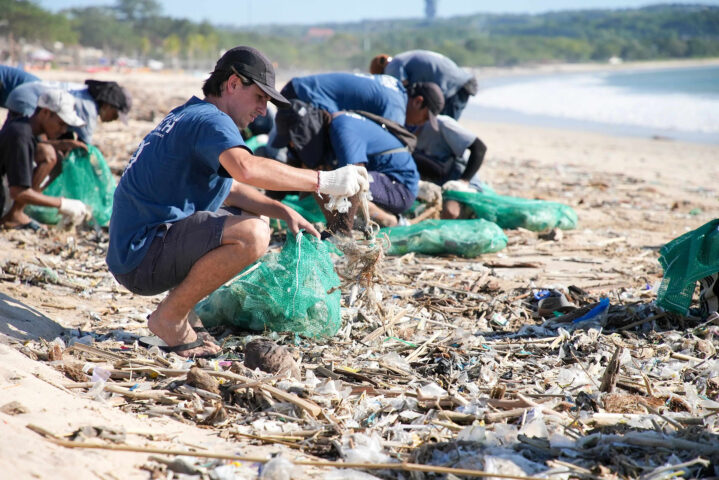
Volunteers gather plastic waste along a beach in Bali as part of ongoing cleanup efforts. (Photo: Courtesy of Sungai Watch / Hungry Minds)
DEBNPASAR, Bali — Efforts to stop plastic waste from flowing into the ocean are gaining traction in Bali, as local initiatives combine on-the-ground intervention with material reuse and design.
Environmental organization Sungai Watch has developed a river-based waste management system, installing barriers to intercept plastic, followed by collection and sorting processes. The recovered materials are then repurposed into functional products through its creative unit, Sungai Design.
This approach positions Bali not only as a region affected by plastic pollution, but also as a testing ground for solutions that could be replicated elsewhere.
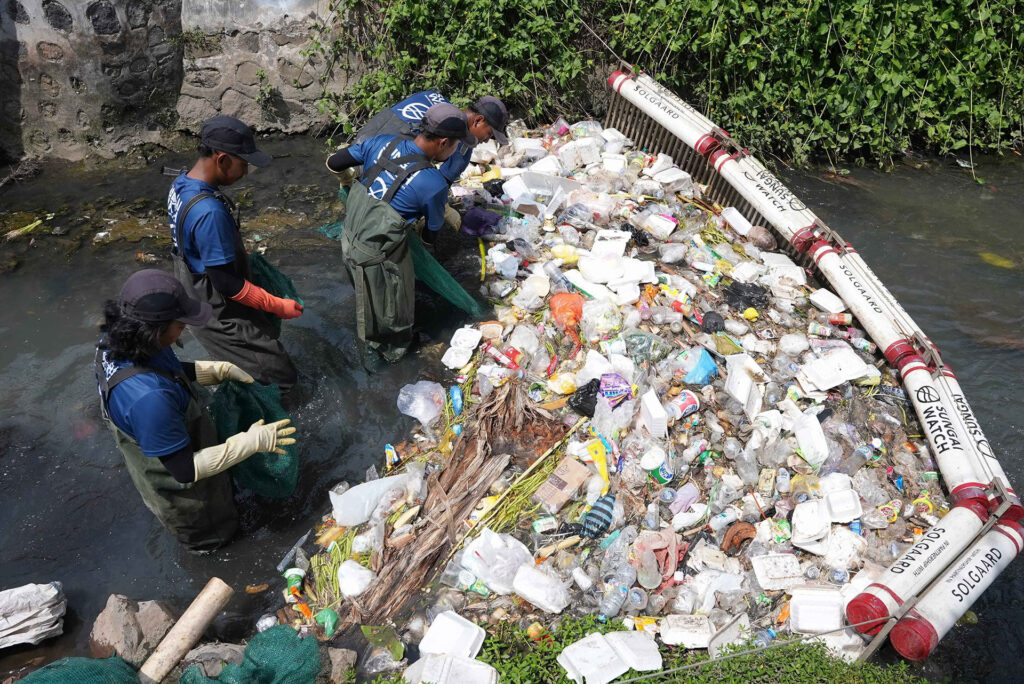
(Photo: Courtesy of Sungai Watch / Hungry Minds)
Beyond its daily operations, Sungai Watch’s founders are currently undertaking Run for Rivers, a 1,200-kilometer expedition across Indonesia. The initiative aims to raise $1 million and remove up to one million kilograms of waste from rivers before it reaches the ocean.
The effort has also attracted international collaboration. Independent publisher Hungry Minds has contributed $10,000 to support Sungai Watch’s work and released a limited special edition of its book The Book: The Ultimate Guide to Rebuilding Civilization, with proceeds directed toward river cleanup efforts.
While the contribution remains modest relative to the scale of Indonesia’s plastic waste challenge, the collaboration highlights how local environmental issues can connect to global networks through creative approaches and storytelling.
In Bali, plastic waste continues to impact not only river and marine ecosystems but also the island’s tourism-driven economy. In this context, the long-term effectiveness of such initiatives will depend on sustained on-the-ground execution and the ability to scale existing models.