- Indonesia’s Leading English News Website, Direct Daily from the Island of Bali.


AI and Drones Set to Transform How Indonesia Monitors Foreign Nationals
AI and Drones Set to Transform How Indonesia Monitors Foreign Nationals
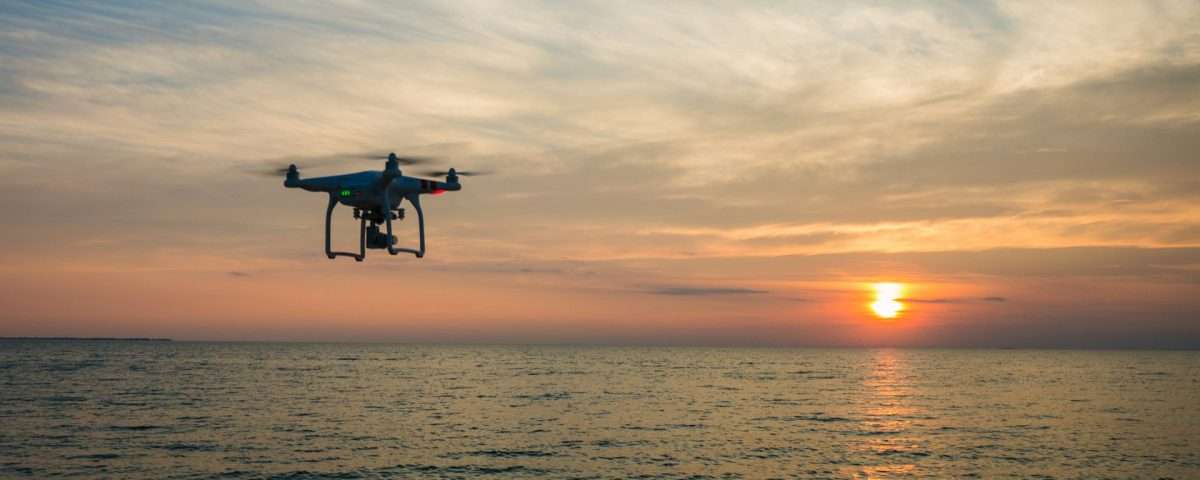
Illustration.
Indonesia’s immigration authorities are moving towards a more technology-driven approach to monitoring foreign nationals, with artificial intelligence (AI) and drones set to play a growing role in the system.
Director General of Immigration Hendarsam Marantoko said technology would become a major component of immigration operations, with the agency targeting a system that is 70 percent technology-driven.
“Going forward, immigration operations will be 70 percent technology-driven,” Hendarsam said on Thursday (August 27).
One of the technologies being developed for immigration surveillance is the “Digital Fence”, which uses drones to monitor selected areas, particularly unofficial crossing routes that are difficult to cover through conventional patrols.
“We have a programme called the Digital Fence, using drones in certain areas, especially through unofficial routes. This allows us to monitor the movement of people entering and leaving,” Hendarsam said.
The technology is intended to give immigration officers earlier information about movements in vulnerable areas, allowing them to assess potential risks and respond when necessary.
The need for such systems is particularly significant given Indonesia’s extensive land borders, which stretch for around 3,111 kilometres.
Technology is already being used at major entry points. At I Gusti Ngurah Rai International Airport in Bali, facial recognition forms part of immigration screening, helping officers identify travellers and match their identities with travel documents and immigration records.
AI is expected to become another part of the wider digital transformation. While immigration authorities have not detailed all planned applications, the technology could support officers by processing large amounts of information and helping identify potential immigration risks.
Hendarsam said the Directorate General of Immigration is also preparing a long-term technology architecture extending to 2045.
The shift is designed to strengthen the work of immigration officers rather than replace them, giving authorities more tools to monitor movements, identify potential risks and respond more efficiently.
For Indonesia, the move marks a broader transition from immigration surveillance that relies heavily on personnel in the field towards a system increasingly supported by digital technology.