- Indonesia’s Leading English News Website, Direct Daily from the Island of Bali.


Illegal Villas Russian Expat Shut Down in Ubud
Illegal Villas Russian Expat Shut Down in Ubud
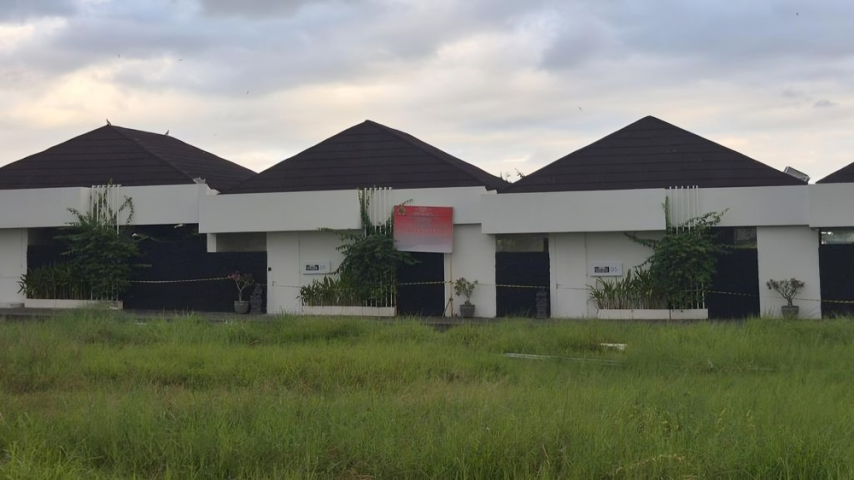
Luxury villas in Ubud owned by a Russian expat sealed over alleged land violations. (Image:detikcom)
GIANYAR, Bali – Illegal Villas Russian Expat in Ubud have been shut down by Gianyar authorities after serious violations of zoning, agricultural protection laws, and sacred land buffers were discovered. The case has drawn wider attention to the growing number of unauthorized luxury properties across protected rice fields in Bali.
The property in question — Green Flow Villa, owned by Russian national Felix Demin (34) — consists of over 20 luxury villas located in Jalan Raya Sayan, directly adjacent to Pura Masceti, a sacred Hindu temple in Ubud. The villas were sealed on June 23, 2025, after repeated administrative warnings failed to halt construction.
According to I Made Arianta, Acting Head of Gianyar’s Satpol PP, the buildings violated six local regulations, including:
- Gianyar Regional Regulation No. 1/2020 on Sustainable Agricultural Land (LP2B),
- No. 2/2023 on Spatial Planning,
- and Perbup No. 7/2023 detailing sub-zoning in Ubud.
“Buildings 3, 4, and 5 were clearly built on protected agricultural zones, while others breached the mandatory 25-meter sacred buffer around Pura Masceti,” Arianta said on Wednesday (16/7).
Green Flow Villa reportedly began operations around 2020–2021 and offers rice field-view accommodations at Rp?2.5 million per night. Despite lacking permits, the business promoted itself on booking platforms and earned a Google Maps rating of 4.1 from over 150 reviews. The complex even won an Asia Pacific Property Award in 2022.
Authorities began issuing official warnings in April 2024, with follow-ups in May and a stop-work billboard posted in June that year. A final warning came in January 2025, but construction continued secretly. Consequently, a closure decree was issued, and the villas were sealed between June 19–23, 2025. The police began a parallel criminal investigation on June 12, placing police tape on buildings 3–5.
The villas were constructed under PT Bali Investments, which does not hold valid permits. Officials clarified that permits could not be issued due to both land-use restrictions and spiritual site regulations. “They knowingly built within forbidden zones. This is not ignorance — it’s deliberate,” Arianta emphasized.
Temple caretaker I Gusti Ngurah Gede, who represents the pekaseh community managing Pura Masceti, said Demin initially requested to lease only 6 ares of land east of the temple for a private home. “We agreed out of trust. But it expanded beyond what was promised — to the south and much larger. We felt cheated,” he said.
In an attempt at resolution, local Hindu councils (PHDI Gianyar and Denpasar) mediated a cultural agreement in April 2024. Demin agreed to provide:
- Ritual donations (punia) of 150 kg of rice and pork during temple festivals,
- Cover electricity and water bills,
- and help restore parts of Pura Masceti.
However, only ritual offerings have been partially fulfilled. The rest remain pending.
This case is not isolated. According to Bali’s Civil Coalition, more than 45 illegal properties have sprung up on protected agricultural or cliffside land across Bali, including in Ubud and Pecatu. Another high-profile case, Parq Ubud, faced similar zoning violations in 2023.
Authorities and environmental groups warn that unchecked construction in LP2B zones could severely impact local ecosystems and Bali’s cultural integrity. As real estate demand among foreigners rises, enforcement against illegal developments has become a growing concern.