- Indonesia’s Leading English News Website, Direct Daily from the Island of Bali.


Beyond Tourism: Bali’s Next Ambition
Beyond Tourism: Bali’s Next Ambition
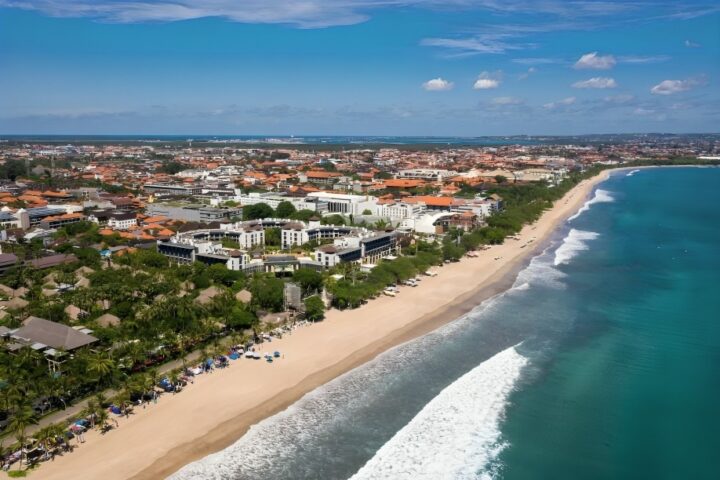
Long known for tourism, Bali is now at the centre of Indonesia's ambitions to build a globally competitive financial hub.
For generations, Bali has been known for its beaches, temples and thriving tourism industry. Now, Indonesia wants the island to be recognised for something very different — global finance.
The government’s plan to establish an International Financial Centre (IFC) in Bali marks one of its boldest economic ambitions in years. If successful, it would reshape the island’s role in Indonesia’s economy, creating a new growth engine built not on tourism, but on investment, financial services and international business.
It is an ambitious vision.
Rather than simply developing another business district, the government hopes to create an ecosystem where global banks, investment firms, asset managers, fintech companies and other financial institutions can operate under internationally competitive standards.
To help shape the project, Indonesia is looking to the Dubai International Financial Centre (DIFC), widely regarded as one of the world’s most successful financial hubs. Since opening in 2004, DIFC has transformed Dubai into a regional centre for finance by combining modern infrastructure with an independent legal framework and business-friendly regulations. It now hosts thousands of companies and tens of thousands of professionals serving markets across the Middle East, Africa and South Asia.
The comparison offers an important clue about Indonesia’s strategy. The objective is not to recreate Dubai, but to understand how a dedicated financial jurisdiction can attract global capital while supporting long-term economic growth.
Bali may appear an unconventional choice.
Jakarta remains Indonesia’s commercial and financial capital, but Bali offers advantages that extend beyond business. It is one of Asia’s most internationally recognised destinations, with established global connectivity and a lifestyle that has attracted entrepreneurs, investors and remote professionals from around the world. As financial centres increasingly compete for talent as much as capital, those qualities have become part of the equation.
Yet success will depend on far more than location.
International financial institutions place enormous value on legal certainty, transparent regulation and policy consistency. Attractive tax incentives may draw attention, but lasting investment is built on trust — something established financial centres such as Singapore, Hong Kong and Dubai have spent decades developing.
For Bali, the proposal also reflects a broader economic shift.
The island’s economy has long depended on tourism, a sector that proved highly vulnerable during the COVID-19 pandemic. Developing a financial services industry would not replace tourism, but it could broaden Bali’s economic base by attracting new investment, creating high-skilled jobs and strengthening resilience against future shocks.
Whether Bali ultimately becomes an international financial hub remains uncertain. Projects of this scale take years to mature, and success will depend as much on governance and execution as on ambition.
Even so, the proposal signals a significant change in how Indonesia sees Bali’s future. For perhaps the first time, the island is being positioned not only as a destination for travellers, but also as a place where global capital could one day choose to do business.